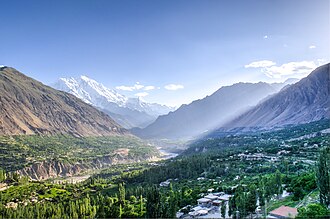
From the thousand-year-old royal forts of Hunza and Baltistan to sacred petroglyphs along the ancient Silk Road, discover the living heritage of Pakistan's high valleys.
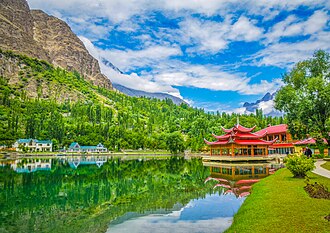 Skardu
The gateway to the Karakoram giants, renowned for its turquoise alpine lakes, the dramatic Cold Desert of Sarfaranga, and ancient stone fortresses.
HunzaA fabled mountain valley nestled under Rakaposhi, celebrated for 900-year-old forts, terraced apricot orchards, and legendary longevity.
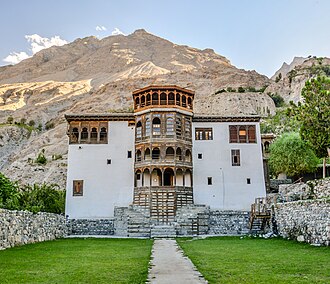 Skardu
Known as the Little Tibet of Pakistan, featuring terraced orchards along the Shyok River and the 19th-century royal timber palace.
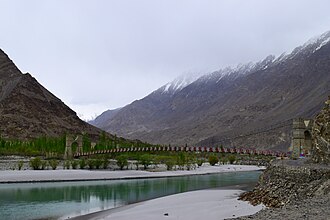 Skardu
A lush oasis between granite cliffs, famous for its 400-year-old 'Fort on the Rock' and the threshold of the Baltoro Glacier route to K2.
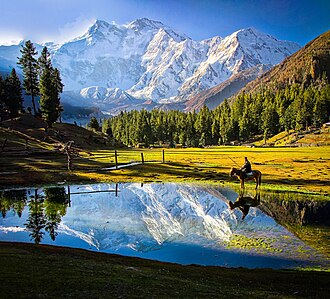 Diamer / Astore
Storybook emerald pastures and dark pine forests facing the colossal 4,000-meter north wall of Nanga Parbat.
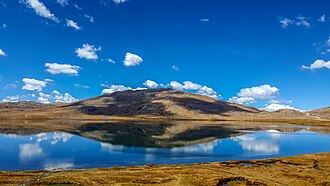 Skardu
The second-highest plateau in the world at 4,114 meters, an ocean of summer wildflowers and refuge of the Himalayan Brown Bear.
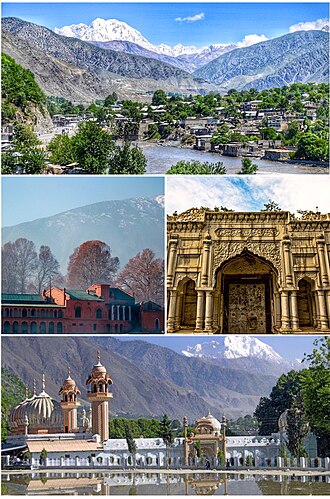 Chitral & KP
Tucked inside the Hindu Kush, home to the ancient Kalash culture, vibrant embroidered robes, animist wooden temples, and polo.
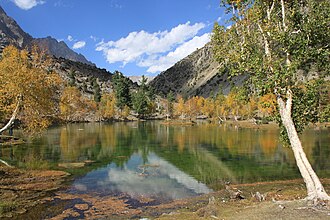 Gilgit
The administrative crossroads of the north, paired with the enchanting pine forests and color-shifting emerald lakes of Naltar.
Living Traditions of the Karakoram
Centuries of isolation amongst giant mountain ramparts have nurtured gentle hospitality, rich organic mountain cuisine, and vibrant musical traditions.
Taste authentic Chapshuro (mountain meat-pies), sweet Diram Phitti bread, cold-pressed apricot oil, organic walnut cakes, and traditional salted butter tea.
Experience spring Nauroz celebrations, the wheat harvest Ginani festival in Hunza, and the world's highest freestyle polo matches at Shandur Pass (3,700 m).
Hand-woven woolen shawls (Pattu), intricate floral wood carvings, hand-hammered copper vessels, and vibrant hand-embroidered Hunza caps created by local women cooperatives.
Stay with welcoming local Wakhi, Shin, and Balti host families. Savor homemade meals prepared in traditional stone hearths and share mountain fireside folklore.
Fortresses, Palaces & Ancient Routes
Explore the iconic cliff-top fortresses, royal dynasties, and Silk Road trade routes that shaped the civilization of Gilgit-Baltistan.
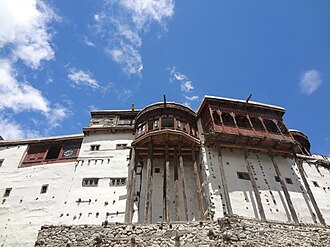 Founded 8th Century AD (700+ Years)
Perched high on a rocky bluff beneath the Ultar Glacier, Baltit Fort stood as the fortified seat of the Mirs of Hunza for over seven centuries. Its distinctive timber-laced stone architecture and ornate bay windows reflect the Tibetan-Balti influence brought by Princess Shah Khatun upon her marriage to the Mir.
Visitor Tip: Take the guided interior tour to see the royal banquet room, ancient armory, and rooftop terrace with breathtaking panoramic views over the entire valley.
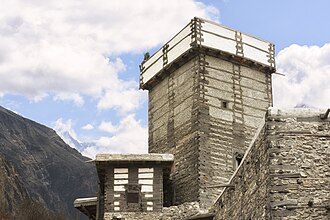 11th Century AD (900+ Years)
Even older than Baltit, Altit Fort clings to the edge of a 1,000-foot sheer cliff towering above the roaring Hunza River. Its iconic Shikari (Hunter) watchtower was used to monitor Silk Road trade caravans and signal alarms across the valley during invasions.
Visitor Tip: Stroll through the immaculately restored 900-year-old Altit village alleys and relax in the royal apricot orchards of Kha Basi café below the fort.
Early 17th Century (400 Years)Known as Fong-Khar ('Palace on the Rock'), Shigar Fort was built by the 20th Raja of the Amacha Dynasty. Incorporating indigenous Kashmiri, Balti, and Persian craftsmanship, its intricate timber screens and tiered gardens have been restored to serve as a living heritage museum and luxury retreat.
Visitor Tip: Enjoy traditional salted Balti butter tea in the peaceful chinars-shaded courtyard before exploring the Raja's private museum chambers.
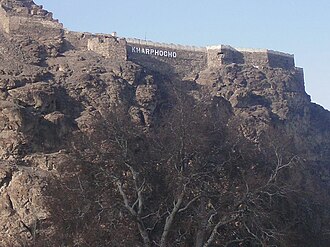 Late 16th Century (450+ Years)
Erected on a sheer granite cliff 1,400 feet above Skardu by the legendary ruler Ali Sher Khan Anchan ('The Lion'), Kharpocho was deemed virtually impregnable. From its battlements, watchmen commanded an uninterrupted view of the Indus River and the Himalayan passes leading into Ladakh.
Visitor Tip: The hike up takes 35-45 minutes along stone switchbacks. Visit in late afternoon for an unforgettable golden hour sunset over Skardu city and the river basin.
Constructed 1840 ADThe royal palace of the Yabgo Dynasty stands as the finest surviving example of a royal timber mansion in northern Pakistan. Featuring Kashmiri hand-carved floral balconies, Balti wooden pillars, and Central Asian courtyards, it once administered the kingdom along the Shyok River.
Visitor Tip: Explore the heritage exhibition showcasing royal costumes, Tibetan documents, and historical weapons, followed by a walk through the palace organic fruit orchards.
 1st Millennium BC to 14th Century AD
For millennia, the river gorges of Gilgit-Baltistan formed vital arterial routes of the ancient Silk Road connecting Central Asia, China, and the Indian subcontinent. Over 50,000 ancient Buddhist, Sogdian, and Brahmi rock carvings dot the granite boulders of Chilas, Shatial, Thalpan, and Manthal in Skardu.
Visitor Tip: Visit the 8th-century Manthal Buddha Rock near Sadpara Lake and the sacred rock carvings at Haldeikish near Passu with a local heritage guide.
Tell us where you dream of going. Our team will craft a personalized itinerary around your dates, interests, and travel style. Contact us for a tailored quote.
Or email us at: info@indusadventure.com